There are moments in a brand’s history when relatively small announcements carry far greater meaning than they first appear to. For Indian Motorcycle in the UK, November may prove to be one of those moments.
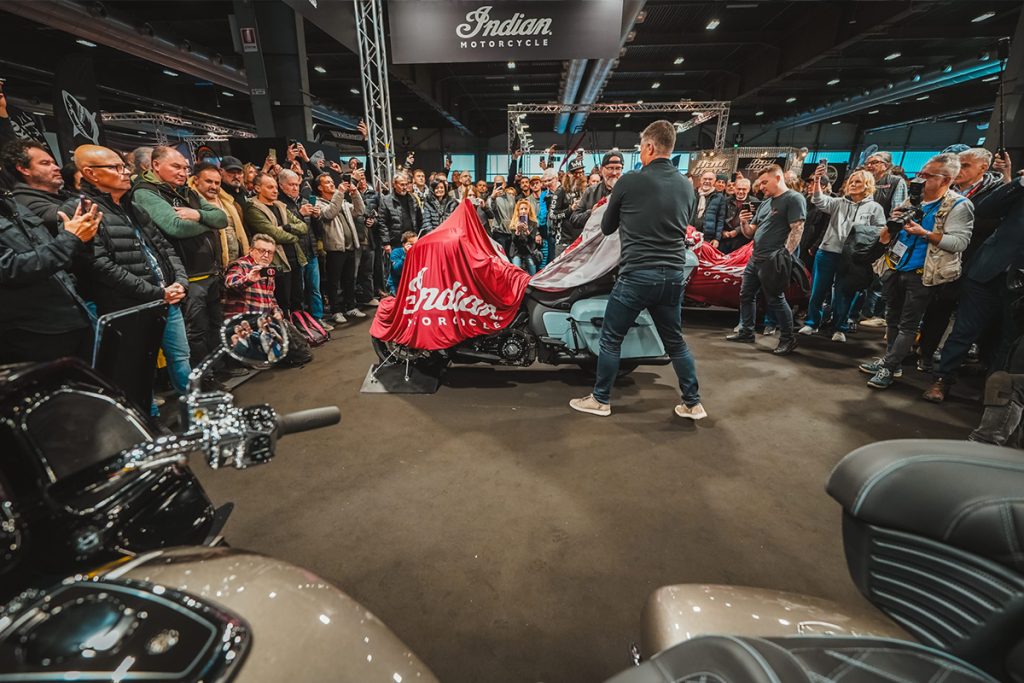
As riders gathered at Motorcycle Live at the NEC and the covers came off the 2026 lineup, Indian Motorcycle UK quietly confirmed a strengthening of its internal team — a move intended to reinforce dealer support, improve engagement, and set the tone as the brand enters its 125th anniversary year.
On the surface, these were sensible, well-timed appointments. Look closer, however, and they sit at the intersection of something far larger: Indian Motorcycle’s transition toward becoming a standalone company, and a renewed question of what that independence will truly mean for riders and dealers — not just in the UK, but across EMEA.
Strengthening the UK Team
Indian Motorcycle UK confirmed that James Tonks had joined Robert Gregory in a sales leadership role, taking the title of District Sales Manager, while Gina Evans was appointed Marketing Specialist.
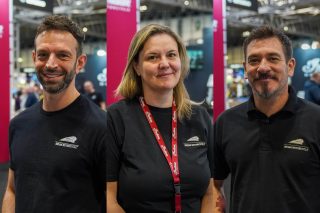
Tonks brings nearly two decades of experience across technical, dealership, and network support roles within the motorcycle and powersports industries, having worked in the sector since 2007. In his first weeks, he was already meeting owners at the national rally in Cornwall — a detail that matters. Indian has always been at its strongest when it listens to its riders, not just its spreadsheets.
Evans arrives from the MCIA, where she spent more than 20 years overseeing marketing, membership, and communications, including the stewardship of Motorcycle Live itself. Her move from industry advocacy to manufacturer marks a notable shift, and signals an intent to tell Indian Motorcycle’s story more clearly and more confidently at a time when heritage, visibility, and connection matter.
Together, the refreshed team officially kicked off the UK’s 2026 season at Motorcycle Live (15–23 November, NEC Birmingham), introducing the new lineup, welcoming Indian Motorcycle Riding Groups, and opening discussions with potential new dealer partners.
For a brand built on community and continuity, these are the right conversations to be having.
The Brand We Care About
Indian Motorcycle occupies a unique place in motorcycling. It is not simply old — it is foundational. Founded in 1901, it predates almost everything else on two wheels. That history carries weight, but it also creates expectation.
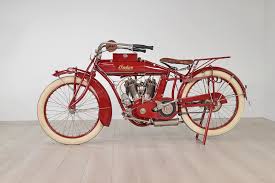
Over the past decade, Indian’s revival has been one of the industry’s standout stories: modern engineering, racing credibility, bold design, and genuine competition at the top of the cruiser and bagger market. Riders know what the bikes are capable of. Many would argue the product itself has rarely been stronger.
Which is why recent years in the UK and EMEA have felt frustrating rather than fatal. The passion has never gone away — but confidence has sometimes wavered.
The UK Reality, in Numbers
Indian Motorcycle’s current UK footprint consists of:
- 15 authorised retail dealers
- 1 service-only hub
The service hub plays an important role in supporting existing owners, but it does not contribute to new-bike sales. That distinction matters.
Based on Polaris Britain Ltd’s 2024 accounts, Indian Motorcycle sales in the UK declined by 29.7% year-on-year. Motorcycle revenue totalled approximately £5.35 million, suggesting total UK sales of around:
- 280–350 new Indian motorcycles in 2024
Spread across 15 dealers, that equates to:
- ~19–23 bikes per dealer per year
- ~1.5–2 bikes per month per dealer
At typical dealer margins of £1,000–£1,500 per bike, this generates between £20,000 and £33,000 in gross contribution per dealer per year from new bikes.
This is not a reflection of dealer effort or rider enthusiasm. It is a structural challenge — one that helps explain why Indian is rarely a dealer’s primary franchise in the UK, and why investment, demo fleets, and visibility can struggle despite the strength of the brand itself.
Why Independence Matters — Especially Here
Indian Motorcycle’s move toward becoming a standalone company, following Polaris Inc.’s agreement to sell a majority stake to Carolwood LP, has been framed as a chance for the brand to receive 100% focus — free from the internal competition of a multi-vertical powersports corporation.
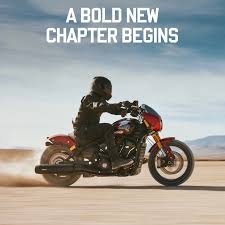
That promise resonates deeply in markets like the UK and EMEA.
At present, Indian Motorcycle UK and EMEA continue to operate out of Polaris-owned and Polaris-run premises, using shared systems, processes, and governance. This is not unusual during a corporate transition, and transitional service arrangements are common.
But the distinction between a temporary bridge and a permanent arrangement matters.
If Indian Motorcycle is to thrive independently — particularly in markets where volumes are lower and margins tighter — it will eventually need:
- clearer regional accountability
- dedicated operational focus
- the ability to prioritise motorcycles without competing internally for attention
Otherwise, the risk is that independence becomes a headline rather than a lived reality.
Titles, Terminology, and Signals of Change
Even small details hint at transition.
The use of the title “District Sales Manager” is notable. In the UK, sales leadership roles are typically described as regional or area management. “District” is a North American corporate term, widely used within US automotive and powersports structures.
Its appearance here raises legitimate questions:
- Is the UK being positioned as a “district” within a wider Indian Motorcycle global or EMEA framework?
- Does this indicate early alignment with a future Indian-led organisational structure rather than legacy Polaris UK models?
- Or is this simply US terminology being applied ahead of formal structural change?
None of these interpretations are inherently negative. But they reinforce a broader point: the organisation appears to be evolving faster on paper than it is operationally, and clarity will matter.
Parts, Logistics, and the Ownership Experience
For many riders, the health of a brand is measured not in announcements, but in how quickly a bike returns to the road.
Parts availability has been a persistent pressure point across the UK and EMEA. Components supplied through European distribution hubs — notably Poland and Belgium — have at times been subject to extended back orders. It is not uncommon for parts originally allocated to one market to be redirected to another, with later orders elsewhere being prioritised over earlier UK requests.
These challenges are not unique to Indian Motorcycle, but they carry greater weight for a premium brand built on trust and long-distance touring credibility. Delays, limited transparency, and stretched delivery times have been part of the ownership conversation for some time.
If independence is to deliver tangible benefits for riders outside North America, regional control over logistics, forecasting, and parts prioritisation will be just as important as leadership and branding.
Beyond the UK: The EMEA Question
The implications of Indian Motorcycle’s transition extend well beyond the UK.
Across EMEA, many of the same pressures are evident: dealer stability, parts supply, service capacity, and clarity of escalation. As Indian Motorcycle moves toward becoming a standalone company, the key question is not whether independence benefits North America — but how that independence translates into real change for Europe.
Markets with lower volumes often feel structural issues first. If the new era delivers clearer regional accountability and operational focus, EMEA stands to benefit significantly. If not, long-standing challenges risk being carried forward under a new banner.
We have reached out to Indian Motorcycle UK and Indian Motorcycle EMEA for comment on how the transition is expected to affect regional operations, technical support, dealer networks, and customer engagement. Any response will be reflected in future coverage.
A Moment That Matters
The appointments announced in November are a positive step. They bring experience, credibility, and renewed energy at a time when Indian Motorcycle needs to reconnect, rebuild confidence, and remind riders why the brand matters.
But people alone cannot solve structural problems.
As Indian Motorcycle enters its 125th year, it does so with something many brands would envy: authentic heritage, bikes that perform, racing success that speaks for itself, and a loyal owner base that wants the brand to succeed.
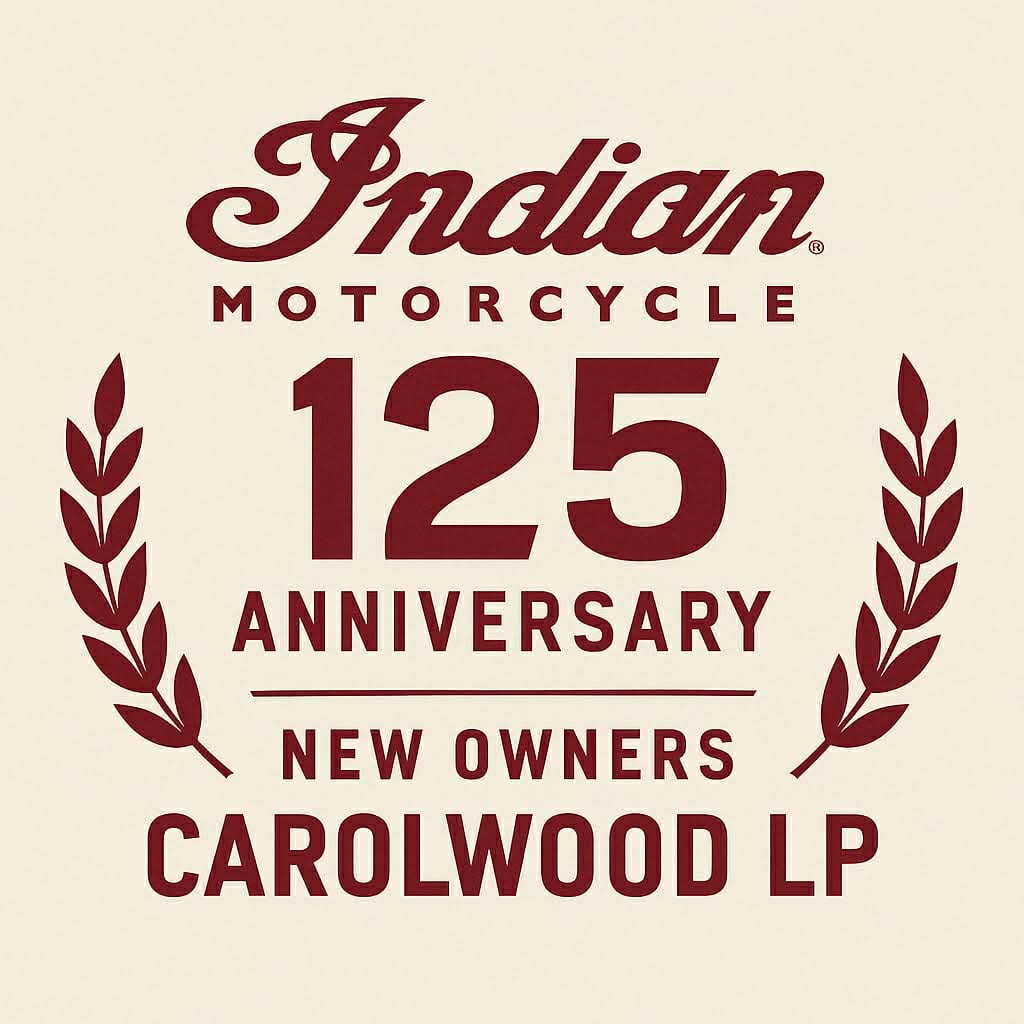
The opportunity now is to match that passion with clarity.
If independence delivers real focus, real accountability, and real investment beyond North America, the next chapter could be one of Indian’s strongest yet — not just historically, but commercially.
The UK and EMEA story is not one of decline alone.
It is one of unfinished business.
And for a brand built on endurance, resilience, and speed records against the odds, that may be the most Indian thing of all.