Indian Motorcycle’s New Structure Begins to Take Shape
February 2026 will likely be remembered as one of the most important moments in the modern history of Indian Motorcycle. With the transition to Carolwood ownership now complete, the brand has formally entered a new era as a stand-alone motorcycle company under the leadership of CEO Mike Kennedy.
While much of the early attention naturally focused on the ownership change itself, the announcements made during the month also reveal something equally important — the emerging structure of the new Indian Motorcycle Company and how its different operational centres are positioned to support the brand’s long-term future.
Taken together, these decisions suggest a company that is not starting again, but rather refining and strengthening the foundations built over the past fifteen years.
A Clear Manufacturing Centre
One of the most significant operational changes announced in February was the confirmation that production activities would be consolidated around Spirit Lake, Iowa, the long-standing manufacturing home of Indian Motorcycle.
Spirit Lake has been the heart of Indian Motorcycle production since Polaris revived the brand in 2011. From this facility the company builds its core range of motorcycles, including the Scout, Chief, Challenger and Pursuit platforms, and it remains one of the most advanced motorcycle assembly plants in North America.
The decision to close the Osceola facility and centralise manufacturing at Spirit Lake simplifies the production structure and allows the company to focus its manufacturing expertise and resources in one location. For a stand-alone motorcycle company, this type of consolidation can strengthen efficiency, streamline logistics, and support long-term product development.
A New Global Headquarters
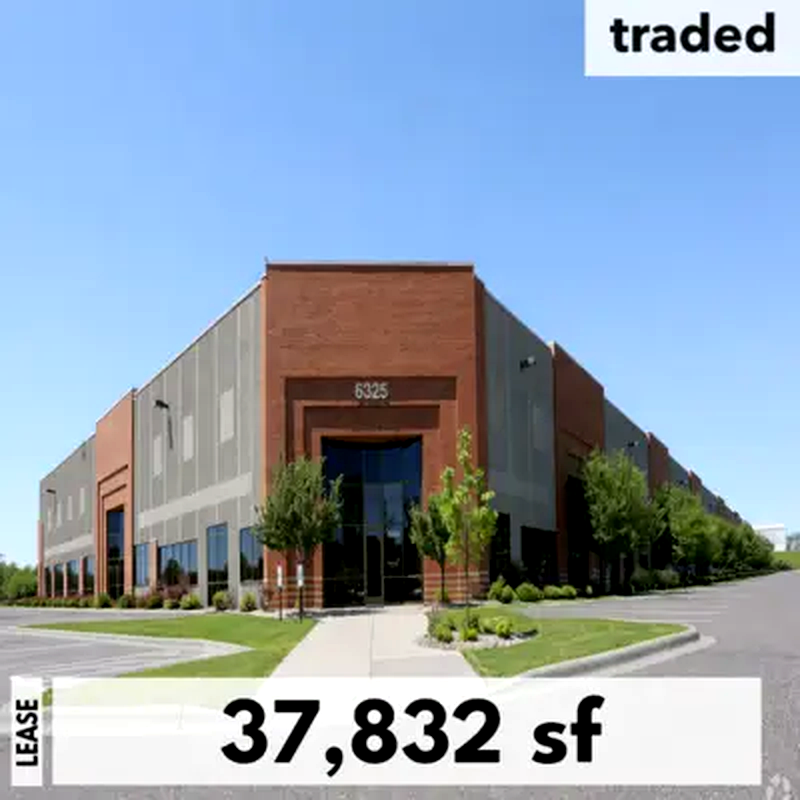
Alongside the manufacturing consolidation, Indian Motorcycle also confirmed the establishment of its new global headquarters in Golden Valley, Minnesota.
The company has signed a seven-year lease on a 37,832-square-foot facility, located roughly forty miles from the previous Polaris headquarters in Medina. While geographically close to where Indian has operated for the past decade and a half, the Golden Valley headquarters represents something quite different: a dedicated home for the stand-alone Indian Motorcycle Company.
The new headquarters will act as the central hub for global leadership, operations and brand development, bringing together the strategic and organisational functions that guide the company worldwide.
CEO Mike Kennedy described the facility as an important milestone as Indian Motorcycle enters its next chapter, emphasising the company’s commitment to Minnesota and the role the region continues to play in the brand’s modern revival.
Importantly, the Golden Valley site will also include integrated development space supporting product development, prototyping and operational coordination. While this does not replace the larger engineering centres elsewhere in the organisation, it provides an environment where design teams, leadership and product specialists can work closely together as new ideas are developed.
Engineering Across Two Continents
Beyond manufacturing and headquarters operations, Indian Motorcycle continues to maintain a broader engineering footprint.
Research and development activities remain active in Wyoming, Minnesota, while the company’s established engineering presence in Burgdorf, Switzerland continues to contribute to product design and technical development.
This combination allows Indian Motorcycle to draw from a diverse engineering base while maintaining strong ties to both the American and European motorcycle industries.
Rather than concentrating every function in a single location, the structure reflects a modern global approach where manufacturing, engineering and corporate leadership operate together but remain specialised in their respective environments.
The Strategic Importance of the Aftermarket
One of the most interesting aspects of the new structure lies in how it may support the continued development of Indian Motorcycle’s parts, garments and accessories programme.
Mike Kennedy only stepped into the role of CEO in February 2026, but his background in the powersports and aftermarket sectors suggests he clearly understands the importance of this part of the business. In the motorcycle industry, accessories and apparel are not simply add-ons — they represent a significant part of the overall business model and play an important role in both brand identity and rider engagement.
Accessories allow riders to personalise their motorcycles, while apparel and branded merchandise strengthen the lifestyle connection that surrounds the brand. For manufacturers, these areas also represent some of the most valuable opportunities for growth beyond the sale of the motorcycle itself.
The inclusion of development space within the Golden Valley headquarters could therefore prove strategically important. With product teams, designers and leadership working in closer proximity, the company has the potential to accelerate the development of new accessories and rider-focused products that reflect how Indian owners actually use and customise their motorcycles.
For a brand with such a strong heritage in personalisation and craftsmanship, this part of the business may still represent one of the most under-developed opportunities for future growth.
Strengthening the Rider Connection
Another potential benefit of the Golden Valley headquarters is the opportunity it presents for deeper engagement with the rider community.
While dealerships remain the cornerstone of the ownership experience, a dedicated headquarters facility opens the possibility for broader forms of interaction with owners and enthusiasts. From product showcases and media presentations to rider events and community engagement initiatives, the headquarters could serve as an additional touchpoint between the brand and its customers.
For a company entering its 125th year, strengthening that connection between riders, engineers and leadership can play an important role in shaping the next chapter of the brand’s story.
A Structure Designed for Focus
When viewed together, the emerging structure of the stand-alone Indian Motorcycle Company begins to make clear strategic sense.
Manufacturing is anchored in Spirit Lake, the company’s production heart.
Corporate leadership and brand strategy are centred in Golden Valley.
Engineering expertise continues to operate in Wyoming and Burgdorf.
Each part of the organisation performs a specific role while contributing to the same overall goal — building motorcycles and a brand capable of continuing its growth in an increasingly competitive global market.
For Indian Motorcycle, February 2026 was not simply a change in ownership. It marked the beginning of a new organisational chapter designed to give the brand the focus, flexibility and strategic clarity needed for the years ahead.
And as the company moves forward under Carolwood’s stewardship, the foundations now taking shape suggest that the next phase of Indian Motorcycle’s story may be built not only on heritage, but on a carefully structured vision for the future.