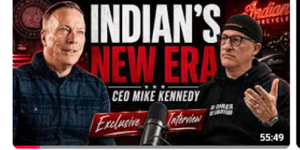
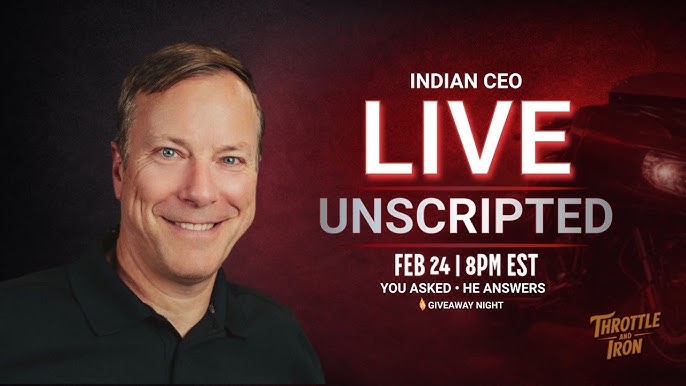
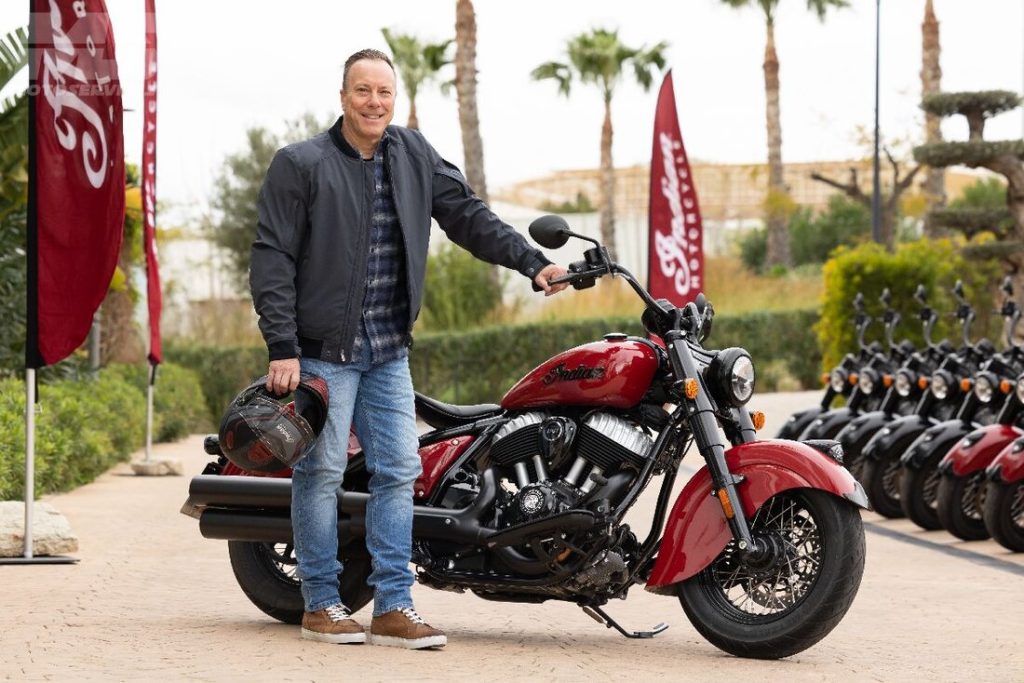
Indian Motorcycle CEO Mike Kennedy appeared live on the Throttle & Iron podcast in one of the most open-form discussions since the Carolwood transition.
The conversation covered engines, dealer networks, manufacturing, emissions, aftermarket, IMRG, King of the Baggers, and long-term strategy.
Below is a structured breakdown of what was actually discussed — and what it means for owners.
1. “Singularly Focused on Motorcycles”
Kennedy described the new Indian Motorcycle Company as:
- 900 employees
- Stand-alone under Carolwood
- No longer one division within a $10B diversified Polaris organisation
He stated that under Polaris, Indian represented approximately 7% of the larger business.
Now, motorcycles are 100% of the focus.
He said:
“If we have a problem with Ride Command, it’s not one item on a long list. It’s at the top of our list.”
What This Means for Owners
This was one of the most important admissions of the evening.
Under the previous structure, Indian competed internally for capital and engineering focus.
Now:
- Product issues cannot be deprioritised.
- Technology frustrations must be addressed.
- Motorcycle decisions are no longer filtered through unrelated divisions.
For riders who have felt certain issues lingered too long — this structural shift matters.
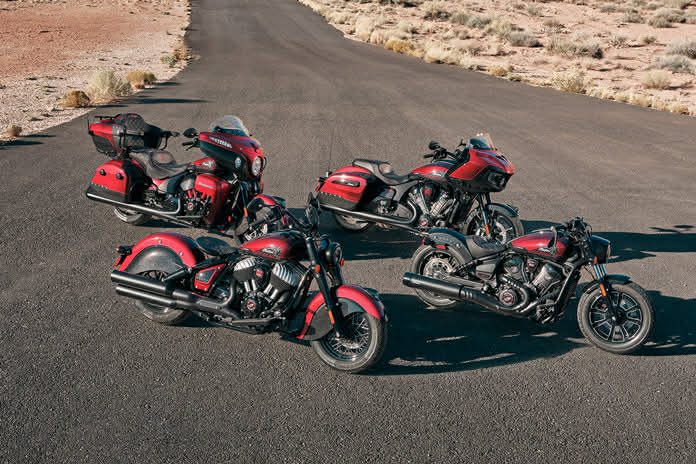
2. Product Focus: No Expansion Outside Core Segments
Kennedy was clear:
Indian will focus on:
- Middleweight cruisers
- Heavyweight cruisers
- Baggers
- Touring
- Trike (entering sooner than traditional development timelines)
He explicitly said small bikes, off-road, and bringing back FTR would be engineering distractions at this stage.
He also addressed Victory revival speculation — not on the roadmap.
What This Means for Owners
Indian is not spreading itself thin.
If you ride:
- Chief
- Springfield
- Chieftain
- Roadmaster
- Challenger
- Pursuit
You are within the company’s core strategic focus.
This is consolidation — not expansion.
For touring and cruiser riders, this is stability.
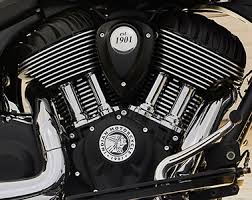
3. Thunderstroke vs PowerPlus: Directly Addressed
The Thunderstroke question was asked directly.
Kennedy stated:
- Thunderstroke is “a gorgeous motor.”
- Chief version meets Euro5.
- Touring Thunderstroke does not currently meet Euro5.
- Decisions will need to be made around investment and compliance.
He confirmed:
- PowerPlus currently outsells Thunderstroke in touring.
- PowerPlus is globally compliant.
- PowerPlus is the King of the Baggers race platform.
He did not announce the end of Thunderstroke.
What This Means for Owners
For Thunderstroke owners:
- The engine remains valued.
- Emissions compliance is the challenge.
- Investment decisions are under evaluation.
For PowerPlus owners:
- You are riding the globally compliant and race-developed platform.
- That platform appears central to the future touring direction.
This was one of the most transparent segments of the interview.
4. U.S. Manufacturing Consolidation Confirmed
Kennedy confirmed:
- Poland assembly facility was not conveyed to the new company.
- Model year 2026 for Europe will be run out of Poland.
- After that, all global assembly will occur in Spirit Lake, Iowa.
He explained:
- Excess capacity existed.
- Consolidation was operationally necessary.
He also emphasised:
- Burgdorf, Switzerland remains critical for powertrain engineering.
What This Means for Owners
This affects:
- European supply chains
- Lead times
- Import structures
- Pricing variables
For U.S. riders, it strengthens American manufacturing identity.
For EMEA riders, logistics execution will be closely watched.
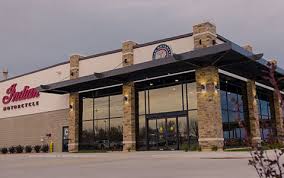
5. Dealer Network: Direct Acknowledgement of Gaps
Kennedy openly acknowledged:
- Some riders live 100+ miles from a dealer.
- Dealer coverage must improve.
- Dealer expansion must be smart and purposeful.
- Existing dealers must be protected.
He said:
“We will judge ourselves on the success of our dealers.”
He also discussed:
- Multi-brand dealership realities
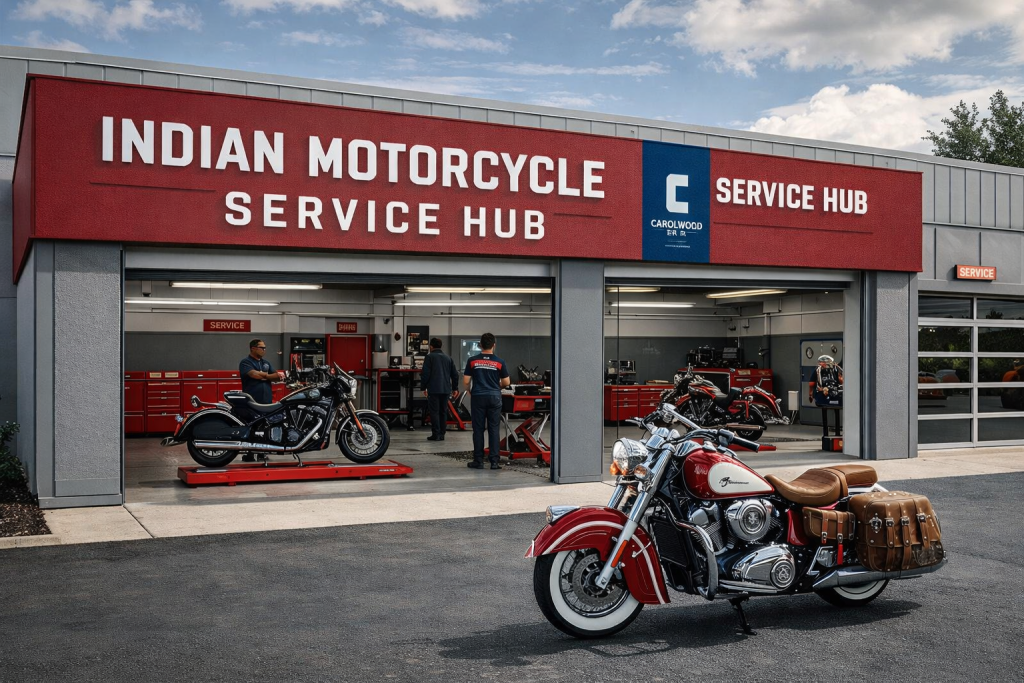
- Possible service-only dealer concepts
- The importance of technician development
What This Means for Owners
Dealer health directly affects:
- Warranty confidence
- Parts availability
- Long-term resale value
- Rider trust
For riders in underserved areas, this was a meaningful acknowledgment.
For UK and EMEA riders concerned about franchise contraction — this is an area to monitor closely.
6. Ride Command: Public Recognition of Frustration
Kennedy did not dismiss complaints.
He compared Ride Command frustrations to vehicle infotainment failures — stating even minor tech issues can damage perception.
He said:
- Technology must work.
- It must add value.
- It cannot simply add cost.
He confirmed improvements are a priority.
What This Means for Owners
This was not defensive — it was direct.
If Ride Command improves meaningfully:
- Touring competitiveness strengthens.
- Owner satisfaction increases.
If it does not:
- It remains a vulnerability.
This was one of the most candid technology admissions heard publicly.
7. Aftermarket & Performance Shift
Kennedy emphasised:
- Indian will not be arrogant toward independent aftermarket.
- Riders want both OEM and independent options.
- Bikes should be designed to facilitate customisation.
He announced:
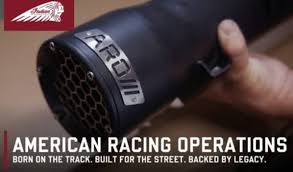
- ARRO (American Racing Operations) performance brand
- New prototype exhausts being shown in Daytona
- King of the Baggers partnership with Vance & Hines
What This Means for Owners
This signals:
- Warmer aftermarket relations
- Potential performance expansion
- Race-to-road product influence
For custom builders and performance riders, this is significant.
8. King of the Baggers: Strategic, Not Cosmetic
Kennedy explained why racing matters:
- Clear link between showroom bike and race bike.
- Demonstrates engineering credibility.
- Strengthens performance identity.
He confirmed:
- Vance & Hines partnership.
- Long-standing relationship with Terry Vance.
- Intention for racing influence to reach production models.
What This Means for Owners
King of the Baggers is not just marketing.
It is:
- Platform validation.
- Performance credibility.
- Development pipeline potential.
9. IMRG & Community Recognition
Kennedy openly praised IMRG and rider passion.
He described:
- Rider groups as powerful.
- Dealer relationships as essential.
- Grassroots engagement as growth drivers.
He acknowledged:
Riders sell bikes organically.
What This Means for Owners
IMRG is recognised at leadership level as strategic infrastructure.
That strengthens:
- Event investment.
- Dealer integration.
- Community identity.
For rider-led platforms like IMRGlobal, this validation matters.
10. Long-Term Vision
Kennedy described Indian as:
“A startup with 125 years of history.”
He emphasised:
- Growth in core segments.
- Preservation of heritage.
- Innovation without losing identity.
- Measured, not reckless expansion.
He did not promise radical short-term product upheaval.
He stressed:
- Product development cannot be rushed.
- Quality and safety remain priority.
Final Observations from This Interview
This was not a marketing speech.
It was:
- Focused.
- Direct.
- Segment-specific.
- Dealer-aware.
- Emissions-aware.
- Technology-aware.
What was notable:
- No overpromising.
- No expansion hype.
- Clear consolidation strategy.
- Honest acknowledgement of Ride Command.
- Transparent discussion of Euro5 realities.
For owners, the message was clear:
Indian Motorcycle is narrowing focus, consolidating operations, strengthening dealer relationships, investing in performance credibility, and prioritising core cruiser and touring identity.
Execution over the next 24–36 months will determine whether this focus translates into measurable gains.