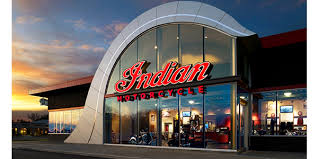
The Indian Motorcycle community in the Charlotte area is preparing to say goodbye to one of its most recognisable hubs. Indian Motorcycle of Charlotte is set to close on 30 January, a decision that has landed heavily with riders who have come to see the dealership as far more than a place of sales and servicing.
The news was shared with members by Melanie Kecia Balose, President of IMRG 1925, who described the dealership as a home where friendships became family, rides began, and memories were made. She has invited members to gather for a special IMRG meeting.. The purpose is simple: to come together, mark the moment, talk through what happens next, and make sure nobody feels left behind during the transition.
The reaction from riders has been immediate and emotional. Comments shared by members and supporters have praised the service department, expressed shock at the closure, and—despite the disappointment—have also made one thing clear: the group intends to continue.
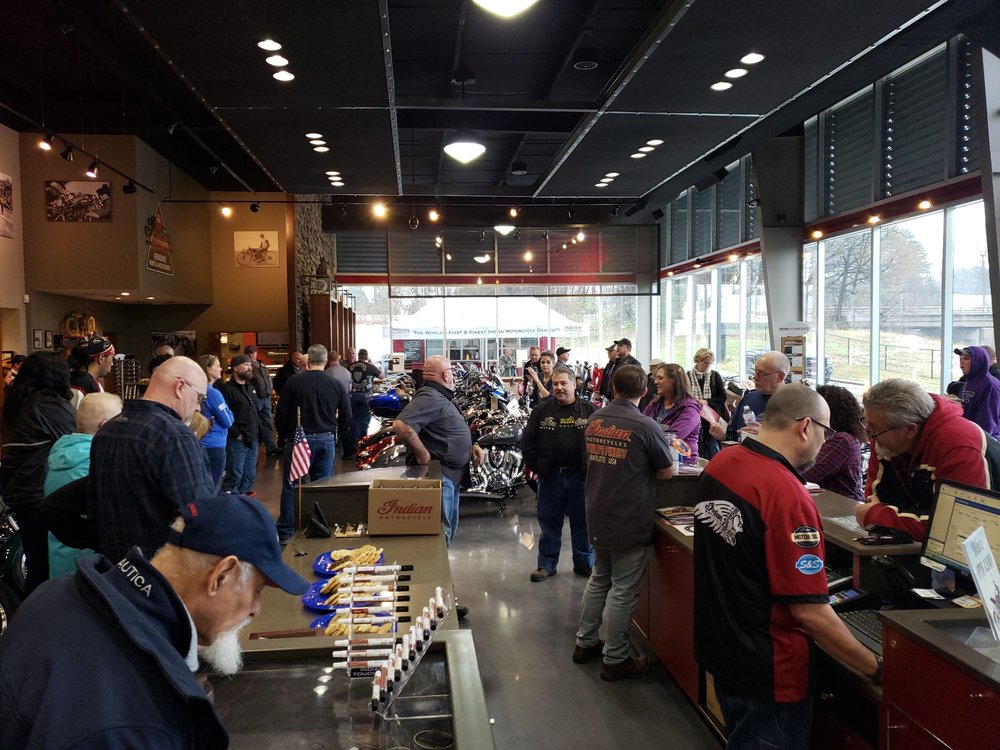
From grand opening to a community anchor
Indian Motorcycle of Charlotte has a long association with the modern era of the brand. The dealership’s grand opening took place in October 2008, during a period when the Indian name was re-establishing itself and rider communities were forming around dealerships with the energy and ambition to build something lasting.
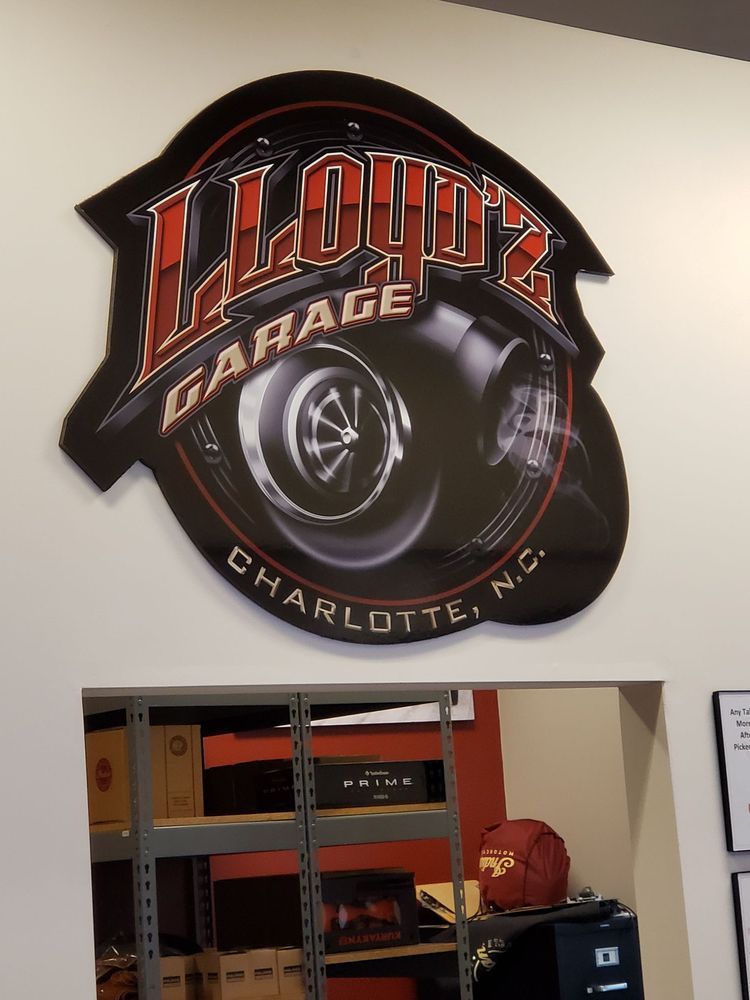
Over the years, the dealership saw changes in ownership while continuing to serve the local riding community. At one stage, the dealership was owned by Lloyd Greer and Tim Sutherland. Since that period, both have gone on to run separate, well-known businesses elsewhere: Lloyd Greer now operates the Rogers dealership, having moved from St Paul, while Tim Sutherland runs Harley-Davidson Sturgis. Their subsequent ventures form part of their wider industry history, but the Charlotte dealership itself remained a distinct and established presence within North Carolina.
The Charlotte location became a familiar starting point for local rides and events, and it played a key role in supporting the social heartbeat of the riding community—particularly through IMRG 1925, which developed into one of the area’s best-known chapters.
Despite the dealership’s closure, chapter leadership has been clear that IMRG 1925 will continue. In the short term, the group will transition to at-large chapter status, allowing members to keep riding, meeting, and organising without a permanent dealership base. Alternative meeting locations will be explored, with input from the membership, as the chapter adapts to its new circumstances.
For many riders, the shift to at-large status is seen not as an ending, but as a way to protect the chapter’s identity and momentum while the local Indian landscape evolves. Similar chapters have continued successfully in this format, maintaining strong communities built around shared riding rather than physical premises.
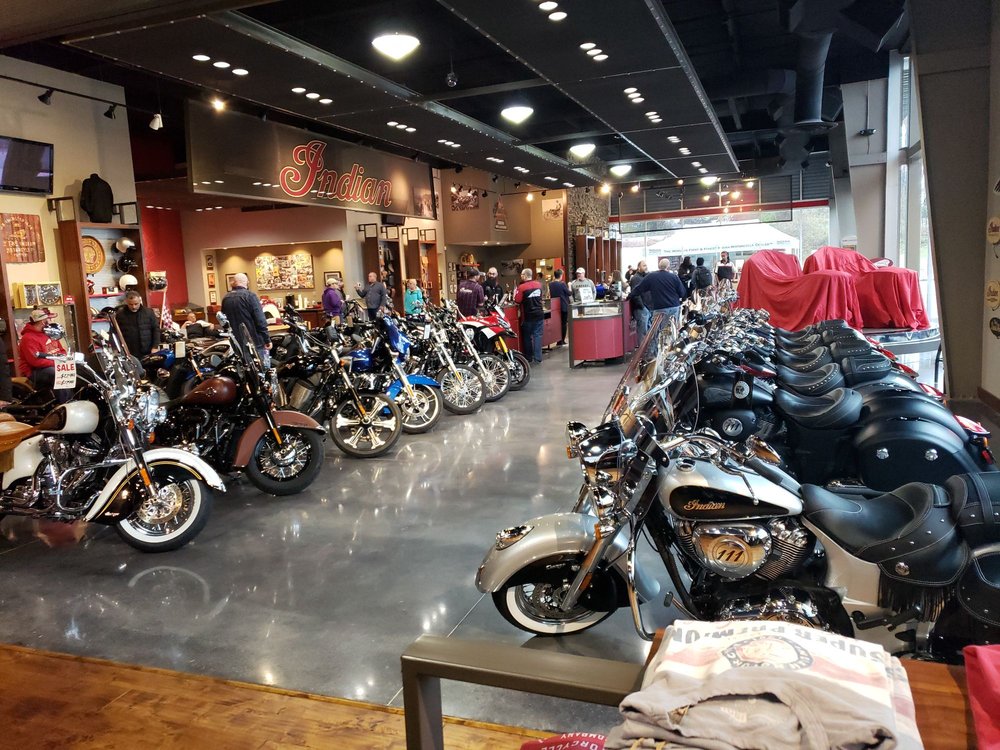
As the final weeks approach, Indian Motorcycle of Charlotte is being remembered not just for the bikes it sold or serviced, but for the community it helped foster. The prevailing message from riders has been consistent: while the building may close, the relationships and spirit it created endure.
Indian Motocycle Riders Global (IMRGlobal) acknowledges the significance of the closure for local riders and recognises the strength shown by IMRG 1925 as it moves forward. IMRGlobal will continue to share relevant updates and encourages members to stay connected, support one another, and keep the community moving forward together.