Indian Motocycle Riders Global
Hendee era 1897 - 1953
The Motorcycles
1897–1899
BICYCLES
(Hendee Manufacturing Co.)
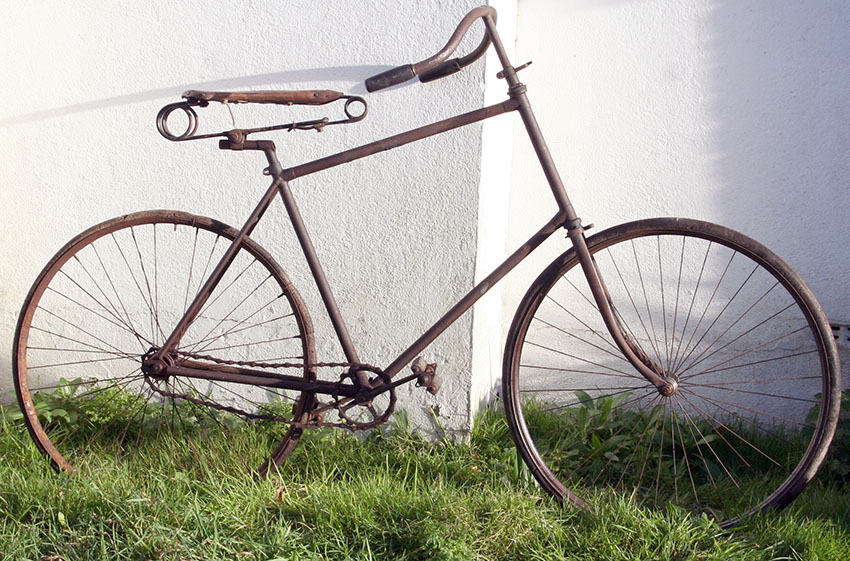
Silver King Bicycle
Years: c.1897–1899
Type: Pedal bicycle
Power: Human-powered
Purpose: Racing and premium road use
Notes:
One of Hendee’s first successful bicycle brands. Built to high standards, marketed using racing success.
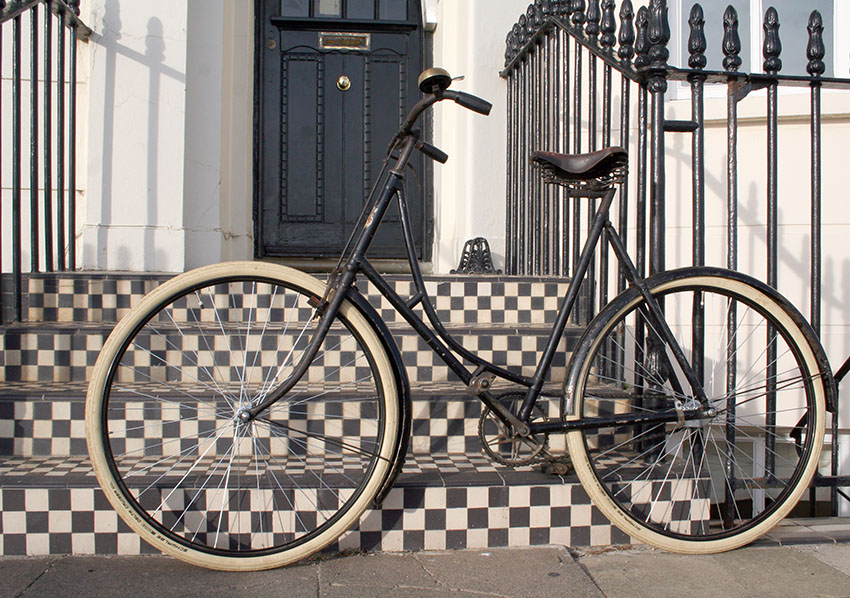
Silver Queen Bicycle
Years: c.1897–1899
Type: Pedal bicycle
Power: Human-powered
Purpose: Premium consumer bicycle
Notes:
Companion brand to Silver King; helped establish nationwide dealer distribution.
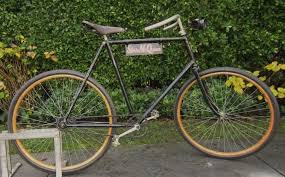
American Indian Bicycle
Years: c.1899–1900
Type: Pedal bicycle
Power: Human-powered
Purpose: Branding experiment
Notes:
The direct inspiration for the name Indian Motorcycle. The branding proved popular and memorable.
1901–1903
MOTOR-BICYCLES
(Birth of Indian)
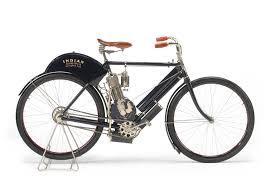
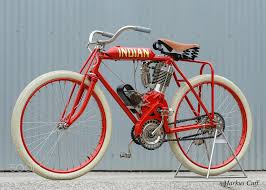
Indian Single (1901 Prototype)
Year: 1901
Engine: Single-cylinder, ~1.75 hp
Valve type: Atmospheric intake
Drive: Leather belt
Top speed: ~25–30 mph
Purpose: Proof of concept
Notes:
Designed by Oscar Hedström. Reliable enough to sell immediately. One of America’s first successful motorcycles.
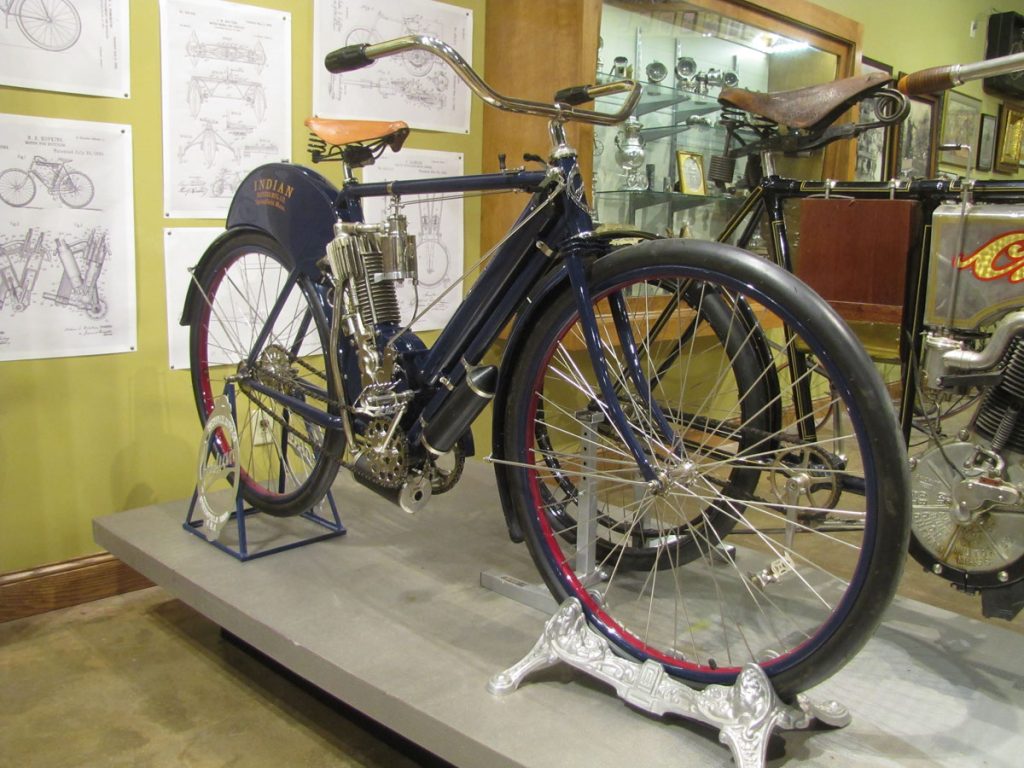
Indian Single (1902–1903 Production)
Years: 1902–1903
Engine: Single-cylinder, ~2 hp
Changes: Improved carburation and ignition
Purpose: Commercial production
Notes:
Indian becomes a real manufacturer. Production ramps from dozens to hundreds.
1903 – Indian Single (Revised)
Cooling: Air-cooled
Drive: Belt drive
What changed in 1903
Stronger, purpose-reinforced frame, moving further away from bicycle origins
Improved engine mounting and overall robustness
Greater consistency in build, enabling repeatable production rather than small-batch assembly
1904–1906
EARLY PRODUCTION REFINEMENT
🏁 EARLY REFINEMENT & RACING (1904–1906)
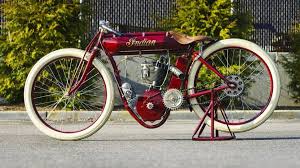
Indian Single (Improved Models)
Years: 1904–1906
Engine: Single-cylinder, ~2.5–3 hp
Advances:
Mechanical intake valve
Stronger frames
Improved reliability
Purpose: Road use & racing
Notes:
Indian Red paint introduced (1904). Racing wins fuel sales growth.
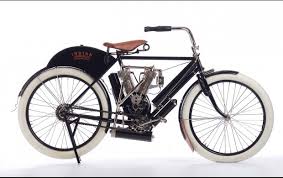
Indian V-Twin (1907)
Year: 1907
Engine: 42° V-twin, ~4 hp
Drive: Belt
Purpose: Power & torque
Notes:
America’s first truly successful V-twin motorcycle. A turning point in motorcycle design.
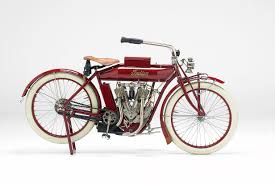
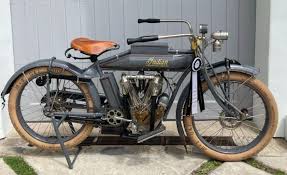
Indian V-Twin (1909–1912 Refinements)
Years: 1909–1912
Engine: V-twin, up to ~7 hp
Advances:
Better lubrication
Multi-speed gearboxes
Stronger crankshafts
Purpose: Touring & racing
Notes:
Board-track dominance. Indian becomes the performance benchmark.
1913
WORLD LEADERSHIP
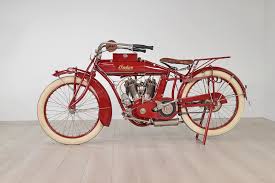
Indian Twin (1913 Peak Model)
Year: 1913
Engine: 61 cu in (1000cc) V-twin
Power: ~7–8 hp
Production: ~32,000 units (world record)
Purpose: All-round flagship
Notes:
Springfield becomes the largest motorcycle factory on Earth.
⚠️ Oscar Hedström resigns this year.
1916–1919
POWERPLUS & WWI
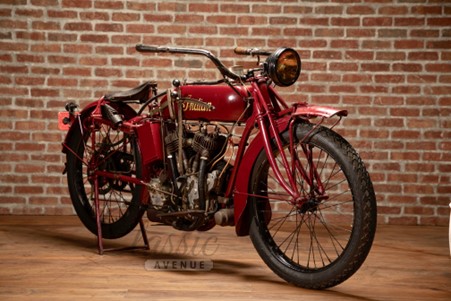
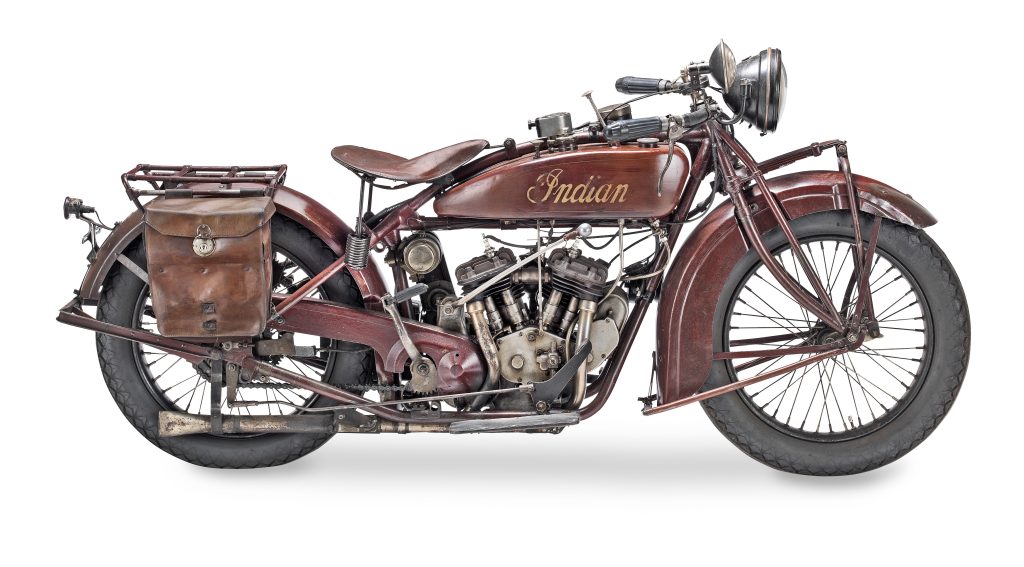
Indian Powerplus
Introduced: 1916
Engine: 61 cu in (1000cc) side-valve V-twin
Power: ~16 hp
Purpose: Performance & military
Notes:
Major leap in power. Heavy military contracts hurt civilian market long-term.
1918 – Indian Powerplus (Military)
Heavy wartime production
Heavy wartime production as Indian became a major supplier to Allied forces during World War I
Built to prioritise durability, torque, and reliability under harsh conditions
Widely used for dispatch riding, escort duties, and logistical support
Typically finished in olive drab with blackout lighting and minimal trim
Wartime demand pushed Indian into large-scale industrial production, reshaping the Springfield factory’s output and processes
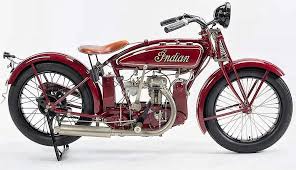
Indian Scout
Introduced: 1920
Engine: 600cc (37 cu in) V-twin
Power: ~20 hp
Purpose: Lightweight performance
Notes:
Police, racing, reliability icon. Often called one of the greatest motorcycles ever built.
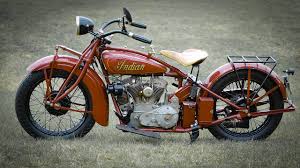
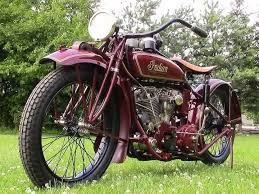
Indian Chief
Introduced: 1922
Engine: 61 cu in (1000cc) V-twin
Purpose: Touring
Notes:
Comfortable, torquey, iconic. Became Indian’s flagship identity.
Indian Big Chief
Introduced: 1923–1924
Engine: 74 cu in (1200cc) V-twin
Purpose: Maximum torque touring
Notes:
America’s premier long-distance motorcycle of the era.
Indian Prince
Introduced: 1925
Engine: 350cc single
Purpose: Entry-level riders
Notes:
Attempt to broaden market reach.
1927–1929
ACE & SPRINGFIELD
1927 – Indian Springfield
Engine: 42ci (≈700cc) side-valve V-twin
Cooling: Air-cooled
Drive: Chain drive
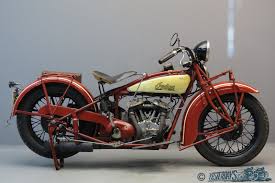
A mid-capacity V-twin positioned between the Scout and the Chief
Designed to offer more power and presence than the Scout, without the size or weight of the Chief
Named after Springfield, Massachusetts, reinforcing Indian’s identity and manufacturing heritage
Following Indian's acquisition of Ace Motor Corporation
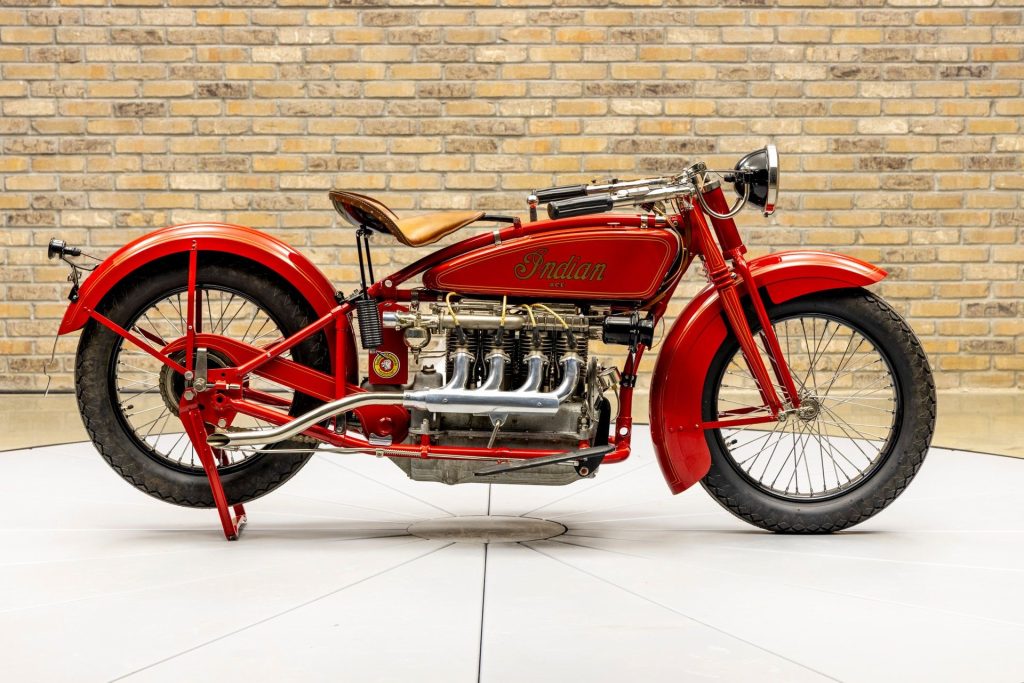
1927 – Indian Ace Four
Engine: Inline four-cylinder
Cooling: Air-cooled
Drive: Chain drive
Indian’s adoption of the Ace inline-four, following its acquisition of Ace Motor Corporation
Aimed squarely at the luxury and high-performance end of the market
Exceptionally smooth, powerful, and refined compared with contemporary V-twins
Positioned above the Scout and Chief as a prestige flagship
Indian Ace (Transitional Four)
Year: 1928
Manufacturer: Indian Motorcycle
(design lineage from Ace Motor Corporation)
Engine: Inline four-cylinder
Cooling: Air-cooled
Drive: Chain drive
The 1928 Indian Ace sits at a very specific and important point:
Still fundamentally Ace-based engineering
Increasingly Indian-built and Indian-finished
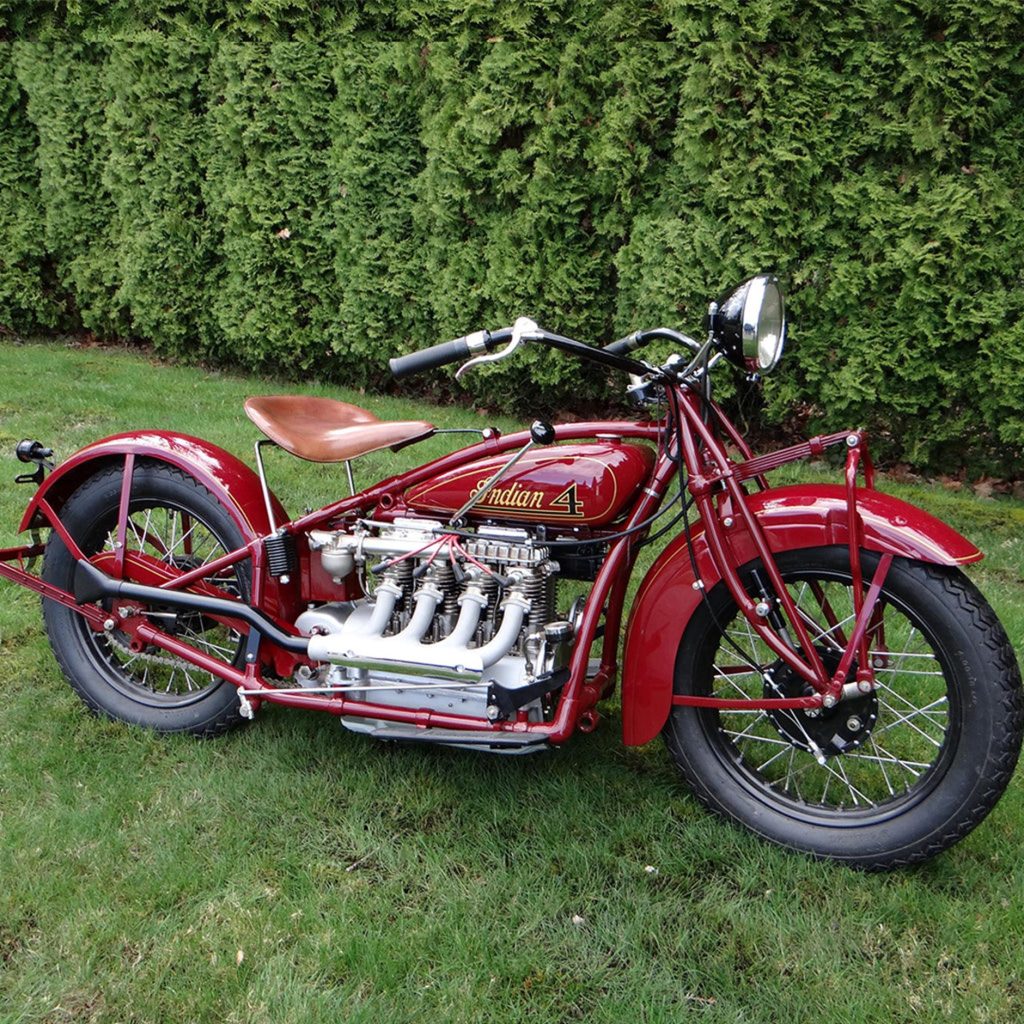
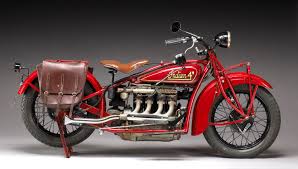
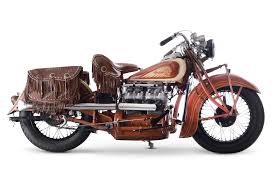
Indian Four
Year: 1929
Manufacturer: Indian Motorcycle
(design lineage fully absorbed from Ace Motor Corporation)
Engine: Inline four-cylinder
Cooling: Air-cooled
Drive: Chain drive
What “fully absorbed” means in 1929
The Ace Four design is now completely integrated into Indian’s engineering, production, and branding
Indian-standard frames, cycle parts, finish, and quality control replace transitional Ace carryovers
The Four becomes a core Indian model, not a legacy holdover
1930–1939
duPONT ERA & REFINEMENT
When Indian motorcycles became industrial art
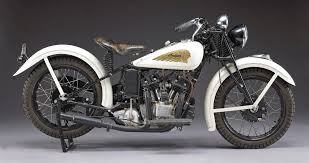
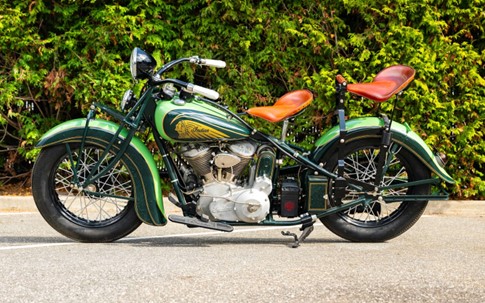
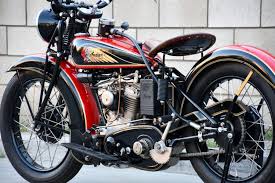
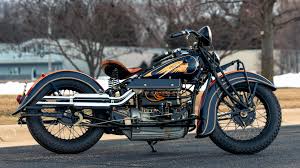
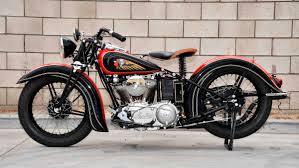
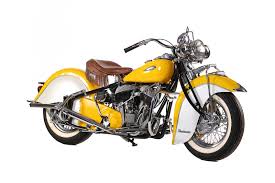
Under E. Paul du Pont (1930–1945), Indian did not radically redesign its engines. Instead, the company focused on quality, styling, finish, colour, and refinement, transforming proven machines into some of the most iconic motorcycles ever built.
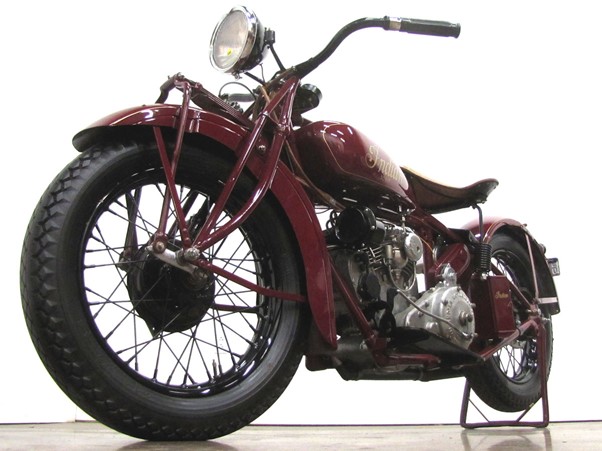
Indian Scout (1930–1931)
Engine: 600cc (37 cu in) side-valve V-twin
Power: ~18–20 hp
Purpose: Lightweight performance / police / civilian
Notes:
Early duPont-era improvements focused on casting quality, tighter tolerances, and more consistent assembly. Styling remained restrained, but build quality improved noticeably over late-1920s models.
Indian Springfield
Year: 1930
Manufacturer: Indian Motorcycle
Engine: 42 cu in (≈700cc) side-valve V-twin
Cooling: Air-cooled
Drive: Chain drive
Mid-capacity flathead V-twin tuned for smooth, usable torque
Conventional (non-valanced) fenders
Late-1920s / early-1930s Indian tank and frame proportions
No unique silhouette — intentionally understated and practical
Indian Four (Models 401 / 402)
Year: 1930
Manufacturer: Indian Motorcycle
Engine: Inline four-cylinder
Displacement: ~77 cu in (≈1265cc)
Cooling: Air-cooled
Drive: Chain drive
Model distinction
Model 401 – Standard specification
Model 402 – Higher-spec version with upgraded trim and equipment
Indian Scout (1932–1933)
Engine: 600cc V-twin
Advances:
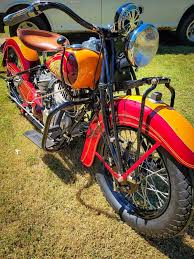
Introduction of DuPont nitrocellulose lacquer paints
Expanded colour choices beyond Indian Red
Improved nickel and chrome plating
Notes:
This period marks the Scout’s transition from a purely functional motorcycle to a leisure product with visual appeal.
Indian Chief (1930–1932)
Engine: 61 cu in (1000cc) side-valve V-twin
Purpose: Touring / flagship model
Notes:
Early duPont influence appears in improved finishes, better paint quality, and more consistent assembly, though styling is still transitional.
Indian Junior Scout (Early Version)
Introduced: 1932
Manufacturer: Indian Motorcycle
Engine: 500cc (≈30.5 cu in) side-valve V-twin
Cooling: Air-cooled
Drive: Chain drive
Junior/Pony Scout (500cc) – Refined Version
Years: 1934–1936 (approx.)
Engine: Same 500cc V-twin
Changes:
Improved metallurgy and machining
Better electrics
Enhanced finish quality (duPont era influence)
Slight styling updates (tank badges, paint options)
Mechanically similar, but noticeably improved reliability and finish.
Indian Chief (1933–1934)
Engine: 61 cu in V-twin
Styling Advances:
Clear Briggs Weaver influence
Deeper, flowing fender shapes
Refined tank contours
Notes:
This period marks the Chief’s move toward its iconic form.
Indian Scout (1934–1935)
Engine: 600cc V-twin as well as a 750 Sport model
Styling Advances:
Early Art Deco influence from Briggs Weaver
Fuller fender profiles
Refined tank graphics and badges
Notes:
This is where the Scout begins to develop a recognisable Indian visual identity.
Indian Chief (1935–1936)
Engine: 61 cu in V-twin
Major Advances:
Deeply skirted Art Deco fenders introduced
Sculpted, integrated bodywork
Multi-layer lacquer finishes
Notes:
This styling language becomes permanent Indian DNA.
Indian Scout (1936–1937)
Engine: 600cc V-twin
Advances:
Improved suspension geometry
Better ergonomics
Stronger wheels and hubs
Styling:
Early skirted fenders
Balanced proportions
Notes:
Often regarded as the best all-round Scout years for reliability and ride quality.
Indian Four (Models 403 / 404)
Year: 1936
Manufacturer: Indian Motorcycle
Engine: Inline four-cylinder
Displacement: 77 cu in (≈1265cc)
Cooling: Air-cooled
Drive: Chain drive
Model distinction
Model 403 – Standard specification
Model 404 – Deluxe specification with enhanced trim and equipment
Scout Sport (Refined / Late)
Years: 1936–1939 (approx.)
Manufacturer: Indian Motorcycle
Engine: 45 cu in (≈737–750cc) side-valve V-twin
Cooling: Air-cooled
Drive: Chain drive
Notes
Fully refined version of the Sport Scout following the early transitional models
Retained the 45ci flathead V-twin, now well proven and highly regarded
Improved chassis, suspension, and road manners over earlier Scouts
Favoured for competition, fast road riding, and police duty
Represents the Sport Scout at its most mature and capable before WWII
Indian Chief (1937–1938)
Engine: 61–74 cu in (1000–1200cc) V-twin
Notes:
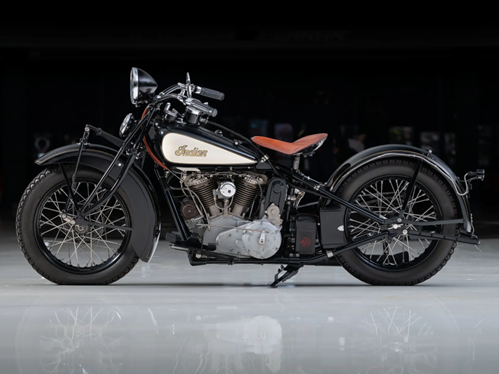
Peak aesthetic refinement. The Chief is now visually unmatched among American motorcycles, combining elegance with mass and presence.
Indian Four (Models 440 / 442)
Year: 1938
Manufacturer: Indian Motorcycle
Engine: Inline four-cylinder
Displacement: 77 cu in (≈1265cc)
Cooling: Air-cooled
Drive: Chain drive
Model distinction
Model 440 – Standard specification
Model 442 – Deluxe specification with enhanced trim and detailing
Indian Chief (1939)
Engine: 61–74 cu in V-twin
Notes:
Widely regarded as the definitive pre-war Chief. Dozens of colour combinations available. Indian reaches peak profitability during this period.
Indian Scout (1938–1939)
Engine: 600cc V-twin
Notes:
Peak duPont-era Scout. Mature Art Deco styling, elegant valanced fenders, and extensive colour options from the DuPont palette. Mechanical design unchanged due to proven reliability.
Indian Scout (1940–1941)
Engine: 600cc V-twin
Notes:
Final pre-war refinement. Styling remains strong but slightly simplified as wartime production priorities begin to dominate.
Indian Chief (1940–1941)
Engine: 61–74 cu in V-twin
Notes:
Final civilian Chiefs before wartime production dominates. Styling remains largely intact, with minor simplifications due to material pressures.
WORLD WAR II MODELS
(1940–1945)
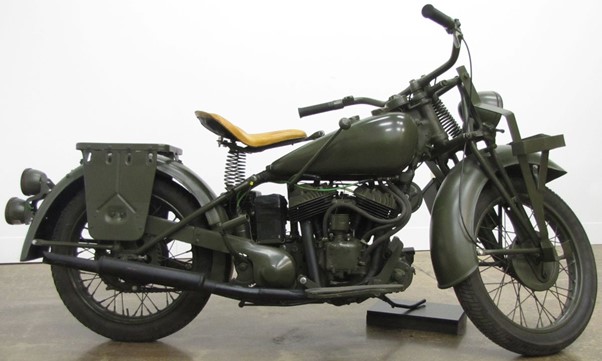
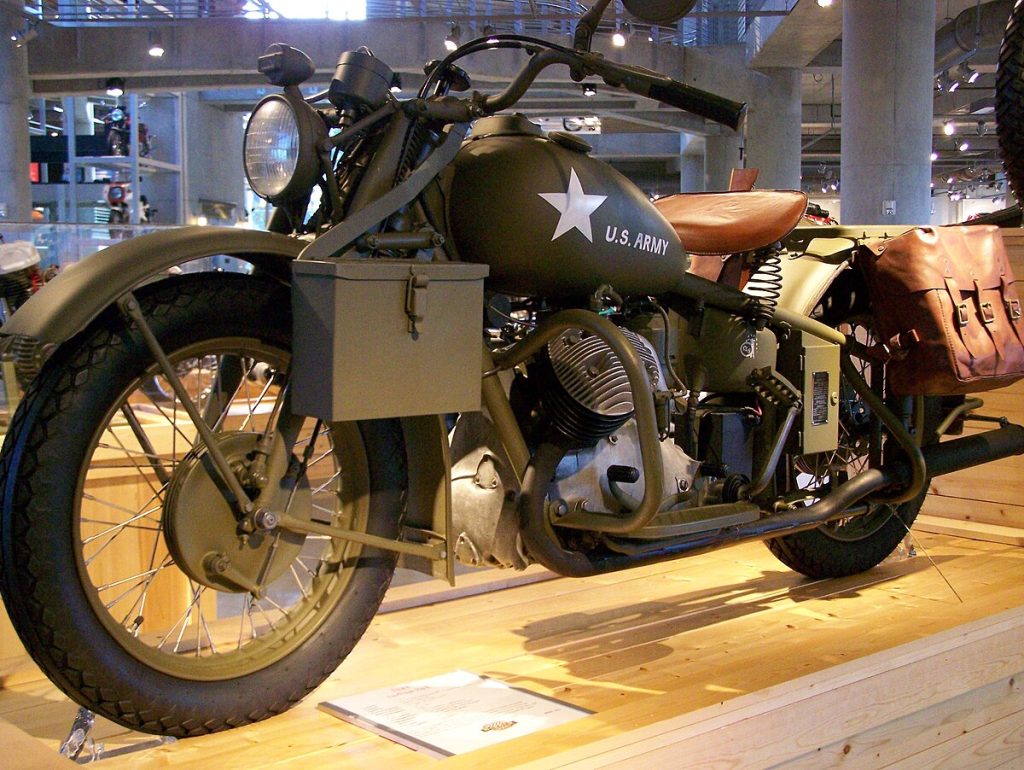
Indian 741B
Engine: 500cc V-twin
A military adaptation of the Indian Scout platform, downsized to meet Allied requirements
Built specifically for US Army and Allied forces during WWII
Simpler, lighter, and more economical than the larger Chiefs
500cc flathead V-twin prioritising reliability over speed
Narrower, lighter chassis for ease of handling
Military fittings: blackout lighting, olive drab paint, minimal chrome
Designed for dispatch, escort, and light utility duties
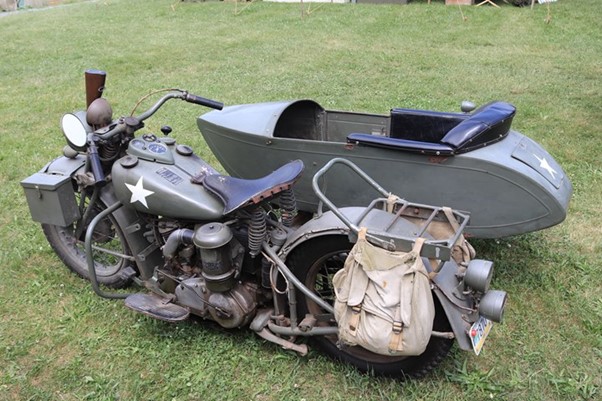
Indian 640B
A military adaptation of the Indian Chief, built for Allied wartime use
Designed to deliver greater torque and load-carrying ability than the smaller 741/741B
Intended for dispatch, escort, and heavy utility duties, including sidecar work
Large flathead V-twin derived from the Chief platform
Reinforced chassis and suspension to cope with military loads
Military fittings: olive drab paint, blackout lighting, minimal trim
Built for durability and endurance rather than speed
Indian 841
Engine: 750cc (45 cu in) 90° V-twin
Cooling: Air-cooled
Drive: Shaft drive
Purpose: Military service (desert/long-range operations)
What made the 841 unique
Shaft drive (rare for American bikes of the era), chosen for durability in sand and dust
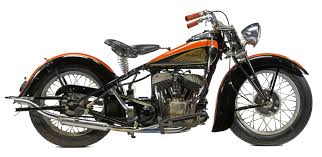
90° V-twin layout for smoother running and improved cooling
Low-mounted engine and balanced chassis inspired by German desert motorcycles
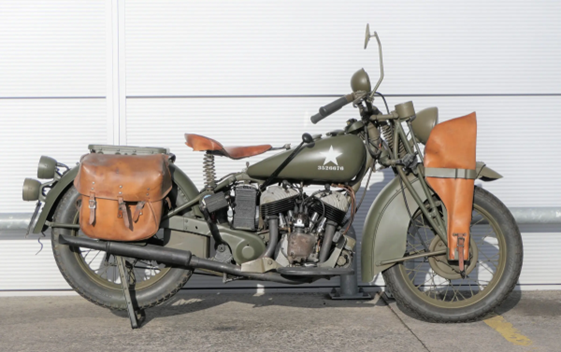
Built specifically to meet US Army requirements for harsh environments
FINAL YEARS & COLLAPSE (1946–1953)
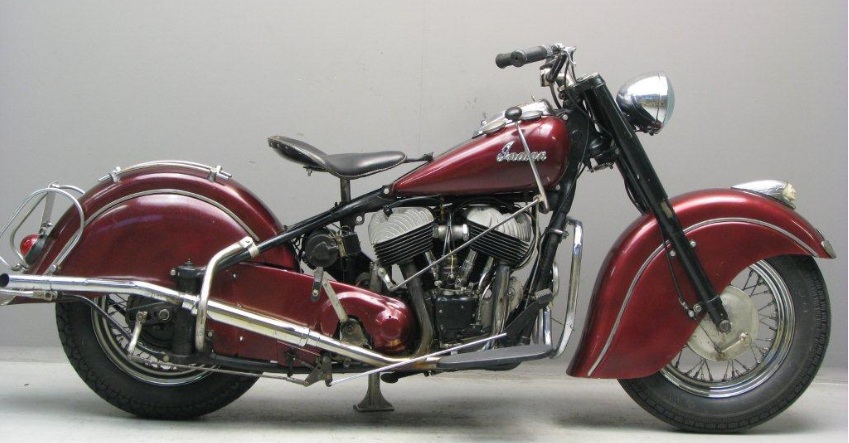
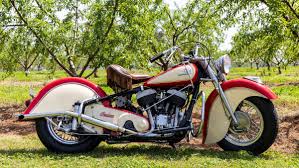
Indian Chief 1946
Engine: 61–74 cu in (≈1000–1200cc) side-valve V-twin
Cooling: Air-cooled
Drive: Chain drive
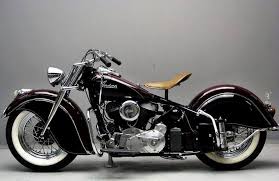
Retained the iconic valanced-fender Chief styling established pre-war
Built using proven flathead V-twin engineering refined through military service
Popular with touring riders, police forces, and returning servicemen
Indian Warrior
Year: 1948
Manufacturer: Indian Motorcycle
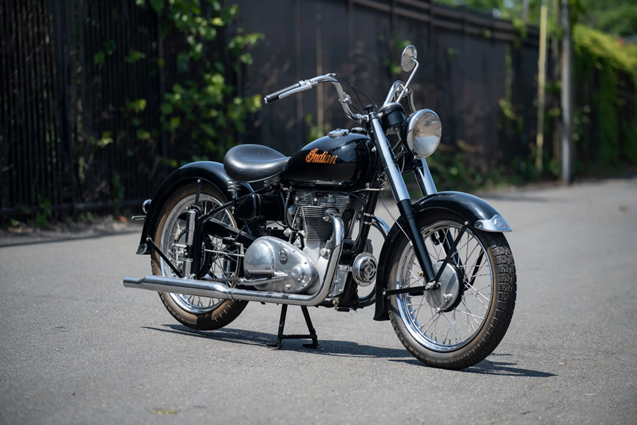
Engine: 440cc vertical (parallel) twin
Cooling: Air-cooled
Drive: Chain drive
Introduced as part of Indian’s post-war attempt to modernise its lineup
Used a British-style vertical twin, a sharp departure from Indian’s traditional V-twins
Intended to offer a lighter, more economical motorcycle for a changing market
Suffered from reliability problems, including lubrication and durability issues
Indian Vertical Twin Scout (Post-war)
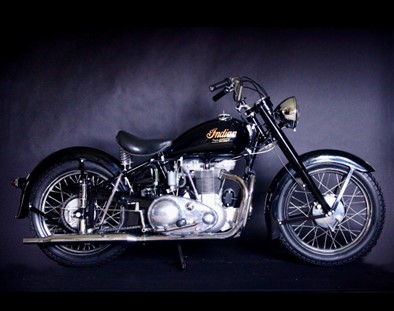
Engine: 500cc vertical twin
A radical departure from Indian’s traditional V-twin identity
Powered by a British-style vertical (parallel) twin, reflecting post-war market pressure
Intended to compete with lighter, more economical European motorcycles
Part of Indian’s last major engineering pivot before the company’s decline
Vindian (Vincent–Indian Prototype)
Year: 1948–1949
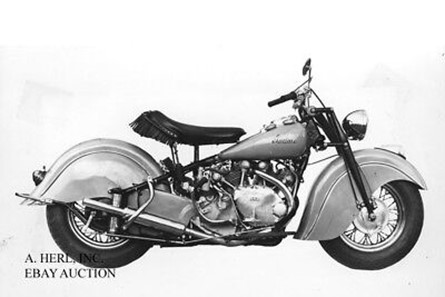
Engine: 998cc overhead-valve V-twin (Vincent)
Companies: Indian Motocycle Manufacturing Company (USA) & Vincent HRD (UK)
Why:
The Vindian was a late-1940s experimental collaboration intended to modernise Indian’s ageing Chief. By fitting Vincent’s world-leading 998cc OHV V-twin engine into an Indian Chief chassis, the project aimed to create a high-performance American motorcycle capable of competing with emerging European designs and leapfrogging Harley-Davidson.
Only two prototypes were built, and the project was abandoned due to cost, complexity, and Indian’s worsening financial position.
© IMRGlobal 2025